
The Hidden Costs of Importing
- May 27, 2023
- Posted by: Jeanca
- Category: Imports

We always recommend our clients to contact a Customs Broker prior to placing an order to any manufacturer. It is very important to know all the cost that could be involved with importing items into the USA, that way you can negotiate a better price. In order to know what your profit will be you need to calculate all expenses that will be involved in getting your items to the final destination, therefore here is a list of expenses you will need to consider. The exact cost will be based on your shipment value and packaging dimensions.
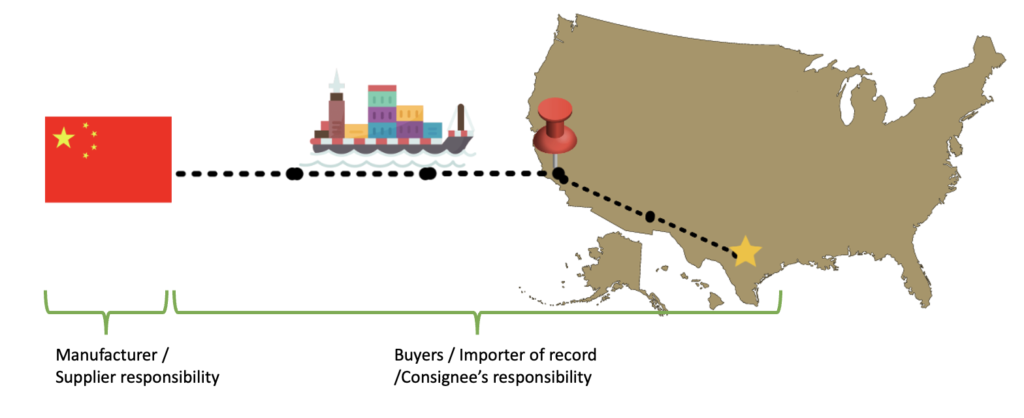
Most manufacturers/shippers using ocean transportation will only assume responsibility up until they load the items on the vessel at the exporting port (Incoterm; FOB + port of China). The most common ports of arrivals are California, Houston, and New York.
Handling charges
You have to consider that whoever has a hand in your shipment, will invoice you. These are some of the charges importers are NOT aware of, or are not advised:
Local port fees:
These fees will be invoiced on a documents called “Arrival notice.” 5 days prior to your shipments scheduled arrival date the importer will receive an arrival notice from the shipping agent These fees will include charges related to the port; every port has different fees. For example: Security charges, offloading from vessel to terminal, Pier Pass charges, Chassis rental, Document fee, port congestion fees, etc, etc.
Port of arrival Warehouse fee/handling fee:
These fees will come from the warehouse at the port of arrival who will handle the container in which your items are consolidated and shipped in. In order to understand these fees, you have to imagine the movement of the container in which your items will arrive. Upon arrival the container is offloaded from the vessel and moved to the terminal, but it cannot stay there, therefore it has to be taken to a warehouse where they will “unstuff” the container (separate all items inside the container) and prepare your items to be picked up and transported to final destination, if this was negotiated with the shipper.
Final destination warehouse fee:
These fees will come from the warehouse at your final destination city. For example, your shipment arrives to the port of California, but will be delivered to Dallas, Texas. The warehouse who receives your items in Dallas will charge you a fee for handling your items. After completion of the payment then you will be able to pick up items from your local warehouse.
Ready to take the next step?
At Jeanca Imports we want you to have a clear understanding of all associated costs. If you involve a customs broker during the early stages of your negotiation with the vendor/supplier/ manufacturer we can help you understand the process and maybe even save some money!
We all fear the repercussions that could come when not filing the proper paperwork with a government agency, and working with a Licensed Customs Broker is the best way to make sure your import documentation is filed correctly and penalties are avoided. Customs Brokers afford you peace of mind while you avoid import process hurdles. If a Customs Broker can help avoid delays and penalties in your import process, that will, in turn, save your business time and money. At Jeanca, we set ourselves apart from other Customs brokers because we take the time to get to know your business and your product.
Request additional information on our contact us page, or set up a meeting to speak with your personalized account manager.
At Jeance we grow when your business grows!